4 helpful aids for getting in and out of the bath

Case Study – Cruising with a Rental Mobile Hoist


How Much Does a Walk-In Shower Cost? Everything You Need to Know
Walk-in showers have become a popular choice for modern bathrooms due to their practicality and style. Many people wonder, “What’s the cost of a walk-in shower?” and before you dive into a bathroom renovation project, it’s crucial to understand the costs and installation process associated with walk-in showers. In this comprehensive guide, we’ll explore all aspects of walk-in showers, from their cost and factors that influence them to the step-by-step installation process.
What is a Walk-In Shower?
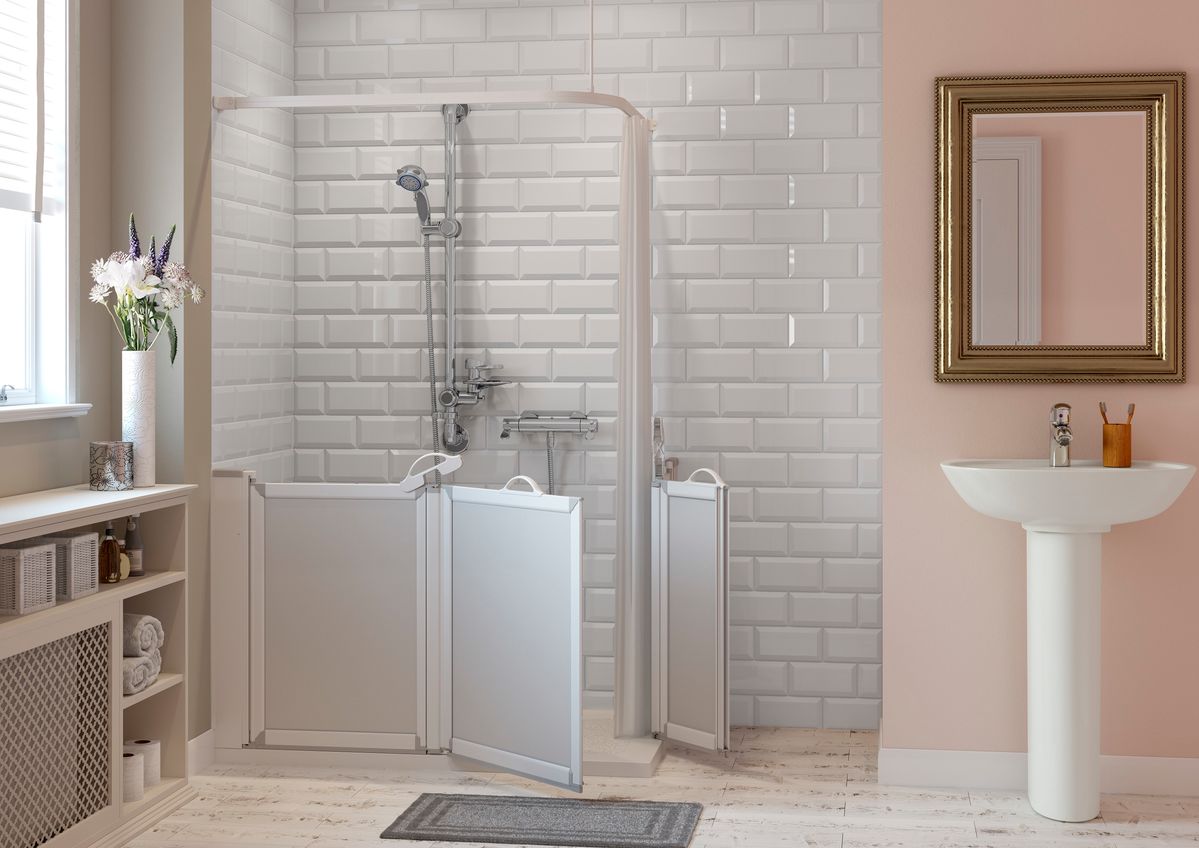
A walk-in shower is a type of shower that is designed to be easily accessible without the need to step over a high threshold. This feature makes it ideal for people with mobility issues, elderly individuals, or anyone who prefers a more modern, minimalist design. Walk-in showers typically have an open entry with no doors, which not only simplifies access but also enhances the feeling of space in a bathroom.
Factors Affecting the Cost of Walk-In Showers
The cost of installing a walk-in shower can vary significantly based on several factors. Understanding these factors can help you make an informed decision and manage your budget effectively.
Size and Design
The size and complexity of the walk-in shower play a significant role in determining the overall cost. Basic, pre-fabricated models are usually less expensive, while custom-made showers can be quite costly. Custom walk-in showers are designed to fit specific dimensions and can include intricate tile work or unique features that increase their price.
- Standard Sizes: Standard walk-in showers are generally less expensive. They are available in pre-fabricated kits and can be installed relatively quickly. These showers are ideal if you have a standard-sized bathroom and want a straightforward solution.
- Custom Designs: Custom walk-in showers are tailored to your specific needs and preferences. They can be built to fit unique bathroom layouts and can include bespoke features such as built-in seating, multiple showerheads, or decorative tiling. The complexity of the design will influence the overall cost.
Materials Used
The materials chosen for your walk-in shower have a considerable impact on the cost. Here’s a breakdown of common materials and their associated costs:
- Shower Walls: Materials for shower walls include tiles, acrylic panels, and glass. High-quality tiles or bespoke glass panels will increase the overall cost. Tile options can range from affordable ceramic to high-end marble or granite.
- Shower Tray: The shower tray (or base) comes in various materials such as acrylic, stone resin, or ceramic. Stone resin and ceramic trays tend to be more expensive but offer better durability and aesthetics.
- Fixtures and Fittings: High-end fixtures, including showerheads, taps, and valves, will affect the cost. Features like thermostatic controls or rain showerheads add to the expense but enhance the overall shower experience.
Installation Requirements
The complexity of the installation process can significantly impact costs. Factors influencing installation costs include:
- Structural Changes: If your bathroom needs modifications to accommodate the new walk-in shower, such as moving walls or adjusting plumbing, these changes will add to the installation cost.
- Labour Costs: Labour costs vary depending on the complexity of the installation and the rates charged by contractors in your area. Ensure that you get a detailed quote from your contractor, outlining the expected labour charges.
- Additional Features: Extra features such as built-in shelves, steam room functionality, or lighting will increase the overall cost. Discuss these features with your contractor to understand how they affect the final price.
On average, the cost of installing a walk-in shower ranges from £2,500 to £5,000 for a basic model. For more luxurious or custom designs, costs can exceed £10,000.


The Installation Process
Installing a walk-in shower involves several key steps, each of which is crucial for ensuring a successful and high-quality installation.
Below is a step-by-step guide to the installation process, although we highly suggest you speak with our team and have the installation done by a professional.
Preparation and Planning
Before installation begins, thorough planning and preparation are essential:
- Survey and Assessment: A professional surveyor will assess your bathroom to determine the feasibility of installing a walk-in shower. This assessment will help identify any structural changes needed and ensure that your existing plumbing and electrical systems can support the new installation.
- Choosing a Contractor: Selecting a reputable contractor is critical. Research potential contractors, read reviews, and request quotes. Ensure the contractor has experience with walk-in shower installations and check their references.
- Design and Budgeting: Finalise the design of your walk-in shower, including materials, fixtures, and any additional features. Create a detailed budget that includes both materials and labour costs.
Demolition
If you’re replacing an existing shower or bathtub, the first step is to remove the old fixtures. This process typically involves:
- Removing Old Fixtures: Carefully dismantle the old shower or bathtub to make way for the new walk-in shower. This may include removing tiles, plumbing fixtures, and any other elements that will be replaced.
- Preparing the Space: Ensuring the area is clean and ready for the new installation. This may involve patching any holes or making minor repairs to the existing structure.
Plumbing and Electrical Work
Modifications to the plumbing and electrical systems may be necessary to accommodate the new shower:
- Plumbing Adjustments: Rerouting pipes or adjusting the water supply and drainage to fit the new walk-in shower. Ensuring that the water pressure and temperature controls are correctly installed is crucial for a functional shower.
- Electrical Work: If the installation requires additional lighting or electrical outlets, these will be installed or adjusted as needed.
Waterproofing
Proper waterproofing is essential to prevent water damage and ensure the longevity of your walk-in shower:
- Installing a Shower Tray: Fitting the shower tray with a waterproof membrane to protect the floor from water damage.
- Sealing Joints: Using waterproof caulk or sealant to seal all joints and edges, preventing leaks and ensuring a watertight installation.
Installing Fixtures and Features
Once the waterproofing is complete, the installation of fixtures and features can begin:
- Shower Tray and Walls: Installing the shower tray, walls, and any custom features according to the design plan. Ensuring that all components are securely fixed and properly aligned.
- Fittings and Fixtures: Installing showerheads, taps, and any additional features such as built-in shelves or seating. Ensuring that all fittings are correctly adjusted and functioning properly.
Final Touches
The final steps in the installation process involve:
- Finishing Touches: Adding any finishing touches such as glass screens, decorative tiles, or additional features. Ensuring that the shower area is clean and ready for use.
- Inspection and Testing: Conducting a thorough inspection of the installation to check for any issues. Testing the shower to ensure that all features are working correctly and that there are no leaks.
Alternatives to Walk-In Showers
If you’re considering alternatives to traditional walk-in showers, here are a few options:
- Wet Rooms: Wet rooms are open-plan spaces where the entire room serves as the shower area. They are barrier-free and offer efficient water drainage, making them a great option for accessibility and easy cleaning.
- Roll-In Showers: Designed for wheelchair users, roll-in showers have a low threshold and ample space for manoeuvrability. They can be customised with grab bars and adjustable showerheads for added convenience.
Conclusion
Investing in a walk-in shower can significantly enhance the functionality and aesthetics of your bathroom. By understanding the costs involved, the installation process, and considerations for maintenance, you can make an informed decision that suits your needs and budget.
Whether you opt for a standard model or a custom design, working with experienced professionals and planning carefully will ensure a successful installation. Regular maintenance will keep your walk-in shower in top condition, providing you with a comfortable and stylish bathing experience for years to come.
If you’re ready to transform your bathroom with a walk-in shower, start by researching contractors, obtaining quotes, and finalising your design. With the right preparation and expert installation, you’ll enjoy the benefits of a beautiful and functional walk-in shower in your home.
SHOP ACCESSIBLE WALK IN SHOWERS


Customer Reviews
Our customer experiences and feedback are highly important to our team at CareLift Services. We pride ourselves on providing excellent customer service. Our customers have left 100's of 5-star reviews across TrustPilot, Google and Yell.