Can You Hoist Someone by Yourself?
The Ultimate Guide to Choosing Between a Home Lift and a Stairlift

What is a LOLER inspection?
If you manage or own patient lifting equipment, the Lifting Operations and Lifting Equipment Regulations 1998 (LOLER) require a safety inspection every six months. This rule applies not only to mechanised equipment like hoists but also to accessories such as tracks, turntables, couplings, and slings. In this blog, we'll explain everything you need to know about LOLER inspections, including the guidelines, what the inspection process involves, how frequently inspections should be done, and who is qualified to carry them out.
Overview
Simply put, the Lifting Operations and Lifting Equipment Regulations, often known as LOLER or Lifting Equipment Inspection, are a thorough examination of lifting equipment performed by a qualified or competent person, as defined by the Health and Safety Executive (HSE).
It might also be referred to as an insurance inspection.
LOLER rules require that all procedures involving patient lifting equipment be precisely planned by a competent person, appropriately supervised, and carried out in a safe manner, thereby reducing the risk of damage.
These requirements also provide that all lifting equipment must be fit for purpose, appropriate for the operation, and properly marked, including maintenance records and any reported damages.
Operating hoisting equipment in a care environment without a current LOLER certificate is prohibited, just like driving a car without a MOT. A professional must conduct regular LOLER inspections to ensure that the equipment is safe to use and operate.

Which type of patient lifting equipment need LOLER testing?
LOLER testing is essential for all types of patient lifting equipment to ensure safety and compliance. This includes mechanical devices like hoists, which are commonly used to transfer patients between beds, chairs, and other locations. Additionally, all accessories that work in conjunction with these hoists require testing.
We would advise that testing would include the following:
- Overhead hoists
- Mobile hoists
- Standing aids
- Slings
- Bath hoists and lifts
- Pool hoists
- Hoist weight scales
These accessories encompass tracks, turntables, couplings, and slings. Portable lifting equipment, such as mobile hoists and standing aids, also fall under the LOLER regulations. Even less obvious equipment like ceiling track hoists and bath lifts must be inspected.
Essentially, any device used to lift, move, or support patients in a care environment needs to undergo regular LOLER inspections every six months to ensure they are safe and in proper working condition.
Why are LOLER tests needed?
LOLER tests are crucial for ensuring the safety and reliability of patient lifting equipment. These tests help prevent accidents and injuries by verifying that all lifting devices and accessories are in proper working condition. Regular LOLER inspections identify any wear, damage, or faults that could compromise the equipment’s functionality. This is particularly important in care environments, where patient safety is paramount. By adhering to LOLER regulations, employers and caregivers demonstrate their commitment to maintaining a safe environment, thus protecting both patients and staff. Additionally, compliance with LOLER helps organizations avoid legal issues and potential fines associated with non-compliance. Ultimately, LOLER tests contribute to the overall quality of care and operational efficiency within healthcare settings.

What do LOLER inspections consist of?
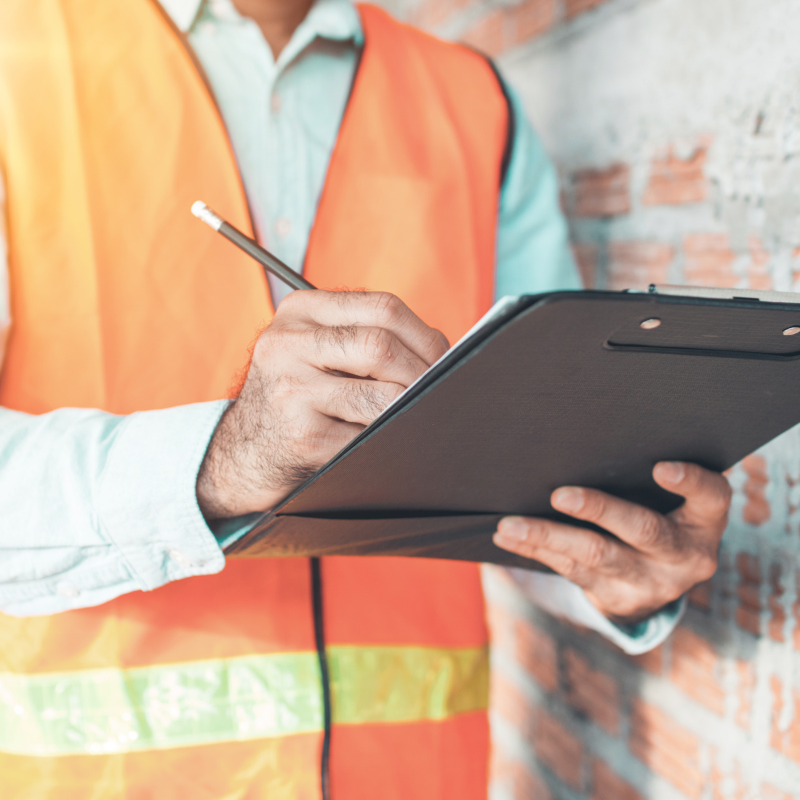
LOLER inspections consist of comprehensive checks to ensure the safety and functionality of lifting equipment. Key components include:
- Visual Inspection: Examining the equipment for any visible signs of damage, wear, or corrosion.
- Functionality Tests: Ensuring that all moving parts operate smoothly and effectively.
- Load Testing: Verifying that the equipment can safely handle its maximum rated load.
- Structural Integrity: Checking the framework and supporting structures for any weaknesses or defects.
- Safety Mechanisms: Inspecting emergency stop buttons, safety latches, and other protective features.
- Accessories Check: Assessing the condition and compatibility of slings, tracks, turntables, and couplings.
- Documentation Review: Ensuring all maintenance records, user manuals, and previous inspection reports are up to date.
- Compliance Verification: Confirming that the equipment meets all relevant health and safety regulations.
How often are LOLER inspections needed?
LOLER inspections are mandated by regulations to occur every 6 months for patient lifting equipment. This schedule ensures ongoing safety and compliance in care environments. Key reasons for this frequency include:
- Safety Assurance: Regular inspections mitigate risks associated with equipment malfunction or failure during patient handling.
- Legal Compliance: Adhering to LOLER guidelines avoids penalties and demonstrates adherence to health and safety standards.
- Operational Continuity: Scheduled inspections minimise downtime by identifying issues promptly and allowing for timely repairs.
- Longevity of Equipment: Regular maintenance extends the lifespan of lifting devices, reducing the need for costly replacements.
- Staff and Patient Safety: Ensuring equipment is in optimal condition enhances the safety and dignity of both caregivers and patients during transfers and movements.
These inspections involve thorough checks of equipment functionality, structural integrity, and compliance with safety standards.
Record keeping
Record keeping of LOLER inspections is crucial for several reasons. Firstly, it serves as documented proof that equipment has been regularly assessed for safety and compliance with regulations. This helps organisations demonstrate their commitment to health and safety standards during audits or inspections. Secondly, accurate records provide a history of equipment maintenance and any issues identified during inspections. This information is invaluable for tracking trends, scheduling future maintenance, and ensuring ongoing equipment reliability. Lastly, it helps in liability management by providing a clear trail of actions taken to maintain equipment, which is essential for protecting both staff and patients in care environments.
Summary
In this blog, we've discussed what LOLER inspections are, what types of patient movement equipment require them, what an assessment entails, and how frequently they are performed.
LOLER testing is carried out by CareLifts skilled servicing staff throughout the UK, ensuring that hoist systems in domestic premises, hospitals, hospices, SEN schools, and Changing Places are maintained to a high standard.
Keep your hoisting equipment in good working order by contacting our service team using the form below.
Contact Us
Opening hours:
Monday - Friday
8:00 AM - 8:00 PM
Saturday - Sunday
8:00 AM - 4:30 PM
From our Norwich office we are able to offer full mobility services across East Anglia and the surrounding areas. Our highly skilled team are mobile which means we are never far away, with an engineer local to your area.
We are proud members of the British Healthcare Trades Association, and work within a Trading Standards Approved code of conduct which ensures an honest, accountable and trustworthy service. We consider and offer you a variety of options whilst ensuring we provide the right lifting solution for your needs, home and budget.
Customer Reviews
Our customer experiences and feedback are highly important to our team at CareLift Services. We pride ourselves on providing excellent customer service. Our customers have left 100's of 5-star reviews across TrustPilot, Google and Yell.