Unlocking Independence: Carelift Services and Freedom Transport Services Join Forces in Norfolk
Reclaim Your Hallway: The Genius of Stairlifts with Automatic Folding Hinges


Will a Stairlift Impact my Home Value in the UK?
For many in the UK, a home is more than just bricks and mortar; it's a sanctuary, a long-term investment, and a place filled with memories. As we age, or as mobility challenges arise, maintaining independence within that beloved home often becomes a priority. Stairlifts offer a practical and often life-changing solution, allowing individuals to navigate their multi-storey homes safely and comfortably. However, a common concern that arises when considering such a significant home adaptation is: will a stairlift impact my home value in the UK?
The answer, like many things in the property market, is nuanced. While a stairlift undoubtedly adds functionality and accessibility for specific users, its effect on overall home value can vary. This comprehensive guide will delve into the various factors at play, offering insights to help you make an informed decision.



The Immediate Benefit: Enhanced Accessibility and Independence
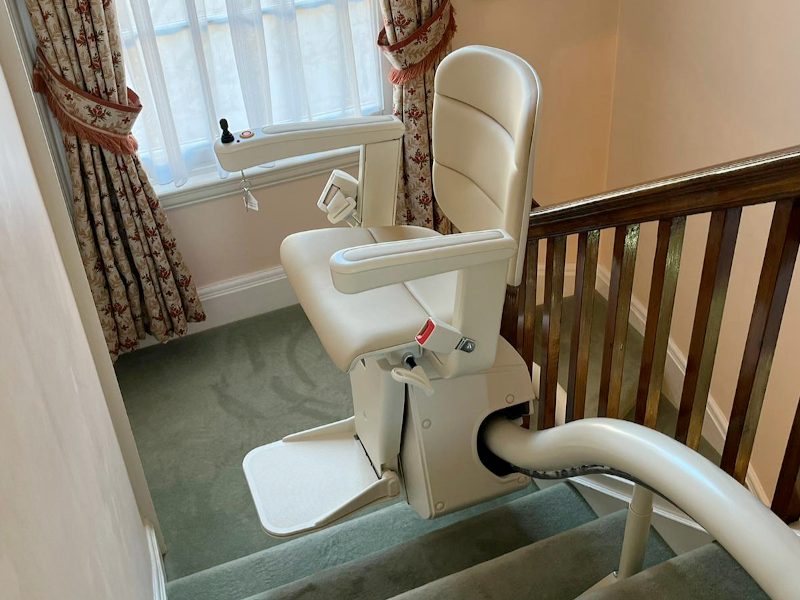
Before we explore the financial implications, it's crucial to acknowledge the primary purpose and immense benefits of a stairlift. For individuals with limited mobility, a stairlift can:
- Restore Independence: It allows homeowners to access all levels of their property without assistance, fostering a sense of autonomy and dignity.
- Improve Safety: Stairs are a common site for falls, especially for the elderly or those with mobility issues. A stairlift drastically reduces this risk, providing a secure and stable means of movement.
- Enhance Quality of Life: The ability to move freely within one's home can significantly improve mental well-being, reducing feelings of isolation or frustration.
- Offer a Cost-Effective Alternative to Moving: For many, the only alternative to a stairlift might be moving to a bungalow or a single-storey property, which can be far more expensive and emotionally disruptive.
These personal benefits are often immeasurable and, for the homeowner, can far outweigh any potential impact on resale value. However, when the time comes to sell, these personal benefits may not translate directly into increased market value for all buyers.

Scenario 1: The "Right" Buyer – Niche Appeal
If your property appeals to a buyer who genuinely requires a stairlift – perhaps an elderly individual, someone with a disability, or a family with a member who has mobility issues – then the stairlift can be a significant asset. In this specific niche market, the installed stairlift can:
- Increase Appeal: For this buyer, the immediate accessibility solution can be a major selling point, saving them the time, cost, and disruption of installing one themselves.
- Add Value: In such cases, the stairlift could potentially add value or, at the very least, make the property considerably more attractive compared to similar homes without this adaptation. They may even be willing to pay a premium for the convenience.
This scenario, however, is not the most common. The pool of buyers actively seeking a home with an existing stairlift is generally smaller than the broader market.
Scenario 2: The "Wrong" Buyer – Perceived Obstacle
For the majority of buyers, particularly younger families or those without mobility concerns, a stairlift can be perceived as:
- An Unnecessary Fixture: They may see it as clutter, an obstruction to the staircase, or something that detracts from the aesthetic of the home.
- A Removal Cost: Potential buyers might immediately factor in the cost and inconvenience of removing the stairlift, which can range from £150 to £600 in the UK, depending on the type (straight vs. curved) and complexity. This perceived cost can lead them to offer a lower price for the property.
- A Sign of an "Older" Home: While unfair, a stairlift can sometimes inadvertently suggest that the property has been occupied by an elderly person, which some buyers might associate with other potential maintenance issues or a dated interior.
In these instances, a stairlift is unlikely to add value and could potentially detract from it, making the property harder to sell or necessitating a price reduction to attract buyers. Estate agents often advise removing stairlifts before putting a property on the market to broaden its appeal.
Factors Influencing the Impact
Several factors play a crucial role in determining how a stairlift influences your home's value:
- Type of Stairlift (Straight vs. Curved):
- Straight Stairlifts: These are generally less intrusive and easier to remove, leaving minimal trace (perhaps a few small screw holes and carpet indentations that can fade). Their impact on value is usually less significant, and they are more likely to be reusable or resold.
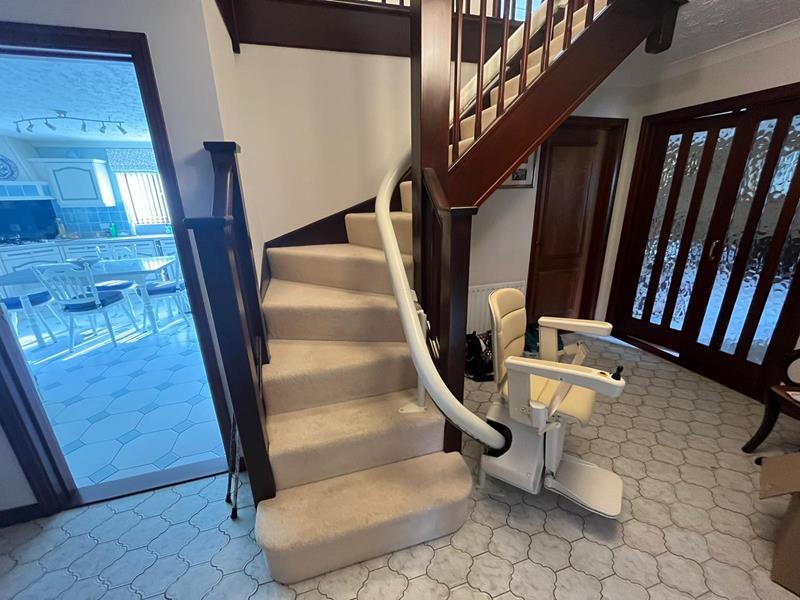
- Curved Stairlifts: These are custom-built to fit the unique bends and turns of a staircase, making them more expensive to install and often more challenging and costly to remove. They also leave a more noticeable mark on the staircase due to their bespoke rail system. Curved stairlifts are less likely to be reusable in another home, further diminishing their resale value for the lift itself.
- Age and Condition of the Stairlift:
- A brand-new, modern, and well-maintained stairlift with advanced features (e.g., swivel seat, remote control, quiet operation) will be perceived more positively than an older, worn-out model.
- Older stairlifts, especially those over 7-8 years old, may be nearing the end of their lifespan or lack modern safety features, making them less appealing and potentially requiring costly maintenance or replacement for a new owner.
- Aesthetics and Integration:
- Some modern stairlifts are designed to be sleek and discreet, blending more seamlessly with the home's decor.
- Bulky or visually obtrusive models can be a significant detractor for buyers focused on aesthetics.
- Overall Condition of the Property:
- In a property that is otherwise modern, well-maintained, and appealing, a stairlift might stand out as an anomaly and deter buyers.
- In a property that already requires significant renovation or is in a dated condition, the presence of a stairlift might be less of an issue, as buyers are already expecting to undertake extensive work.
- Local Housing Market:
- In areas with a high demand for accessible housing or a larger elderly population, a stairlift might be viewed more favourably.
- In competitive markets where buyers have many options, anything that narrows the appeal of a property could negatively impact its saleability and value.
- Removal Costs and Reusability:
- The cost of removing a stairlift is a factor. As mentioned, straight stairlifts are cheaper to remove than curved ones.
- The possibility of selling or donating the stairlift after removal can offset some costs. Straight stairlifts, particularly from reputable brands like Stannah, Acorn, or Handicare, have a better chance of being resold or reconditioned, though often for a fraction of their original cost. Curved stairlifts, being custom-made, have very little resale value for the rail itself, although the chair unit might be salvageable for parts.

The Decision to Remove or Retain
When it comes to selling a property with a stairlift, the prevailing advice from estate agents in the UK is usually to remove it. Here's why:
- Broader Appeal: Removing the stairlift immediately opens your property to a much wider pool of potential buyers who are not specifically looking for an accessibility aid.
- Visual Impact: A clear, unobstructed staircase makes a space feel larger, brighter, and more inviting. It allows buyers to envision their own furniture and style within the home without the visual interruption of the lift.
- Eliminates Perceived Cost: By removing it yourself, you eliminate the buyer's concern about the cost and hassle of removal, which can be a psychological barrier to making an offer.
- Minimal Trace: Modern stairlifts, especially straight ones, often leave minimal damage to the staircase, typically just a few small holes in the carpet or steps, which are easily repaired or hidden.
When might it be worth keeping?
- Specific Buyer Interest: If you receive an offer from a buyer who explicitly states they want the stairlift, then it makes sense to include it in the sale. Ensure this is clearly documented in the fixtures and fittings list.
- High Removal Cost/Low Resale Value: If the stairlift is a curved model with little to no resale value, and the removal cost is substantial, you might consider leaving it in until an offer is made. However, be prepared for potential buyers to factor this into their offer.
The Cost of Removal
- Straight Stairlift Removal: Generally on the lower end, around £150 - £250. Currently £135 EX VAT
- Curved Stairlift Removal: Can be more expensive, up to £400 or even more for complex installations. Currently £155 ex VAT
- Free Removal: Some stairlift companies offer free removal if they are buying back the stairlift for reconditioning (often for newer, popular models) or if you are upgrading to a new model from them. It's always worth enquiring with the original installer or a specialist stairlift removal company.
The Cost of Removal
As of mid-2025, the cost of professional stairlift removal in the UK typically ranges from £150 to £600.
Reclaiming Value from a Used Stairlift
While the rail of a curved stairlift has little to no resale value, the chair and motor of straight and curved stairlifts can sometimes be sold back to companies for reconditioning. The value you receive will depend on:
- Age: Newer models fetch better prices.
- Brand and Model: Popular brands like Stannah, Acorn, and Handicare tend to hold more value.
- Condition: A well-maintained stairlift with a service history will be worth more.
- Type: Straight stairlifts generally have better resale potential for the whole unit.
Even if a company doesn't offer a buyback, many will remove and dispose of the stairlift responsibly, often free of charge, as they can still strip it for parts or recycle components.
Conclusion: A Personal Investment vs. Market Value
Ultimately, installing a stairlift in your UK home is primarily a decision driven by personal need and improved quality of life. For the individual using it, the value it provides in terms of independence, safety, and comfort is immeasurable.
From a purely financial perspective, concerning home value, a stairlift is unlikely to increase your home's appeal to the broad market and could potentially detract from it for many buyers. The cost of removal, while not insignificant, is often a worthwhile investment to make your property more attractive and saleable when the time comes.
The best approach is to consider your long-term plans. If you intend to stay in your home for many years and the stairlift is essential for your well-being, then the benefits far outweigh any potential future impact on resale. If selling in the near future is a strong possibility, it's wise to factor in the potential need for removal and its associated costs as part of your overall financial planning. By understanding these nuances, you can make an informed decision that balances your immediate needs with your future property aspirations.
Contact us for FREE no obligation advice and speak to one of our friendly experts. 01603 443603
Customer Reviews
Our customer experiences and feedback are highly important to our team at CareLift Services. We pride ourselves on providing excellent customer service. Our customers have left 100's of 5-star reviews across TrustPilot, Google and Yell.
We are proud members of the British Healthcare Trades Association, and work within a Trading Standards Approved code of conduct which ensures an honest, accountable and trustworthy service.
We consider and offer you a variety of options whilst ensuring we provide the right lifting solution for your needs, home and budget.