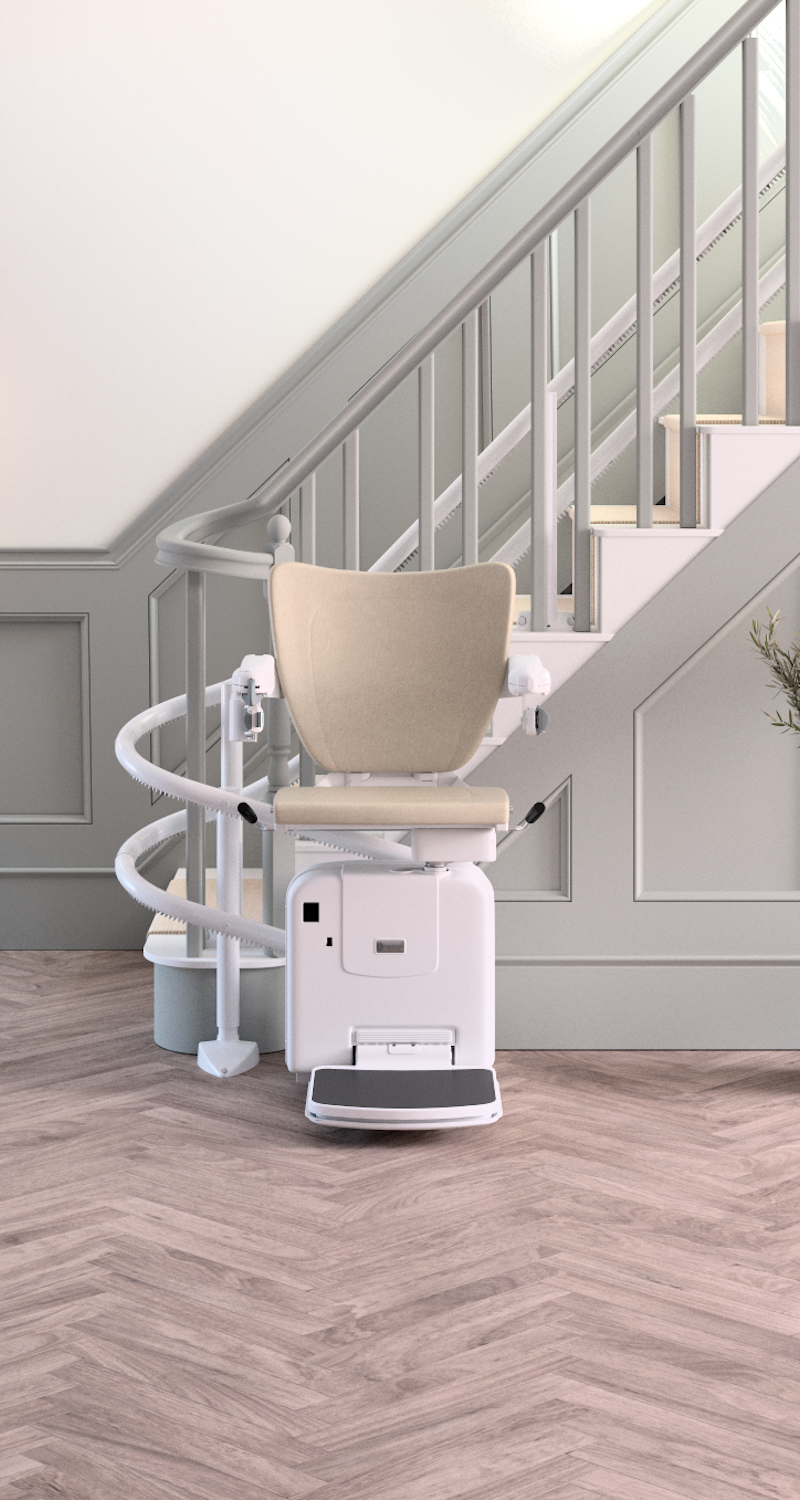
Can Other People Still Use the Stairs Once the Stairlift is Fitted?

How safe are home lifts?

Do You Need Planning Permission For A Home Lift?
In many cases, installing a home lift will require planning permission, particularly if the lift involves significant alterations to the structure of the building or if it affects the external appearance of the property. However, the need for planning permission can vary depending on factors such as the type of lift, the size of the property, and local regulations.
Here are some considerations regarding planning permission for a home lift:
Type of Property: Planning regulations may differ for different types of properties, such as houses, apartments, or listed buildings. Listed buildings, for example, often have stricter regulations regarding alterations.
Alterations to Structure: If installing the lift involves structural alterations, such as cutting into floors or walls, planning permission may be required. This is because such alterations can affect the integrity of the building.
External Appearance: Planning permission may also be needed if the installation of the lift affects the external appearance of the property, such as adding a lift shaft visible from the outside.
Building Regulations: Even if planning permission is not required, you may still need to comply with building regulations, particularly regarding safety standards and accessibility requirements.
Local Regulations: Local authorities may have specific regulations regarding home lifts, so it's important to check with the relevant planning department or local council to determine the requirements in your area.
Before installing a home lift, it's advisable to consult with a professional, such as an architect or a planning consultant, who can provide guidance on whether planning permission is needed and help navigate the regulatory process.


Criteria for Installing a Home Lift Without Planning Permission.
Personal Use:
The lift should be intended for personal use within the property and not for commercial purposes. This ensures that it's primarily serving the needs of the occupants rather than being used for business or public access.
External Appearance:
The installation of the lift should not alter the external appearance of the building. This means that any structural changes or additions associated with the lift, such as a shaft or enclosure, should not significantly change the building's exterior aesthetics.
Visibility from Public Highway:
The lift should not be visible from the public highway. This criterion ensures that the presence of the lift does not detract from the visual character of the surrounding area or create any safety hazards for road users.
Size Limits:
The lift should not exceed specified size limits set by local regulations or planning guidelines. These limits may vary depending on factors such as the size of the property, the type of lift, and the location within the building.
However, you should always check with your local authority and the home lift company for specific advice.


Providing detailed information about the proposed home lift installation is essential when applying for planning permission. This typically includes:
Site Plan: A site plan showing the location of the lift within the property boundaries, as well as its proximity to neighbouring properties and any relevant features such as driveways or gardens.
Floor Plan: A floor plan of the building indicating the exact location where the lift will be installed, including its relationship to existing rooms, staircases, and access points.
Elevations: Elevations of the building show the proposed location of the lift, including details such as its height, width, and appearance from different viewpoints.
Design and Materials: Details of the lift's design, specifications, and materials to be used, including any external features such as doors, windows, or cladding.
Additional Information: Any additional information required by the local planning authority, such as design and access statements, environmental impact assessments, or heritage statements.
Do You Need Planning Permission For A Home Lift - Conclusion
Determining whether planning permission is required for a home lift installation depends on factors such as the type of lift and local regulations. While it's advisable to check with local planning authorities for clarification, in many cases, homeowners can proceed with installing a home lift without obtaining a permit. However, if planning approval is sought, applicants typically need to provide detailed documentation, including site plans, floor plans, elevations, and design specifications, as required by local government regulations. Understanding the rules and procedures for obtaining planning clearance is essential for those considering this modern solution for their homes. Carelift Services offer advice and expertise, making it easy to choose the right domestic lift for your home, budget and lifestyle. Call our friendly team on 01603 433 603 for more information or to book a free home survey.
Contact Us
Opening hours:
Monday - Friday
8:00 AM - 8:00 PM
Saturday - Sunday
8:00 AM - 4:30 PM
From our Norwich office we are able to offer full mobility services across East Anglia and the surrounding areas. Our highly skilled team are mobile which means we are never far away, with an engineer local to your area.
We are proud members of the British Healthcare Trades Association, and work within a Trading Standards Approved code of conduct which ensures an honest, accountable and trustworthy service. We consider and offer you a variety of options whilst ensuring we provide the right lifting solution for your needs, home and budget.
Customer Reviews
Our customer experiences and feedback are highly important to our team at CareLift Services. We pride ourselves on providing excellent customer service. Our customers have left 100's of 5-star reviews across TrustPilot, Google and Yell.